
The Power of Video in Online Learning: Formats and Production Process
Explore the impact of video in e-learning, from popular formats like Instructor-led Videos (ILVs) to animation-based content. Learn the three-stage production process for creating engaging educational videos.
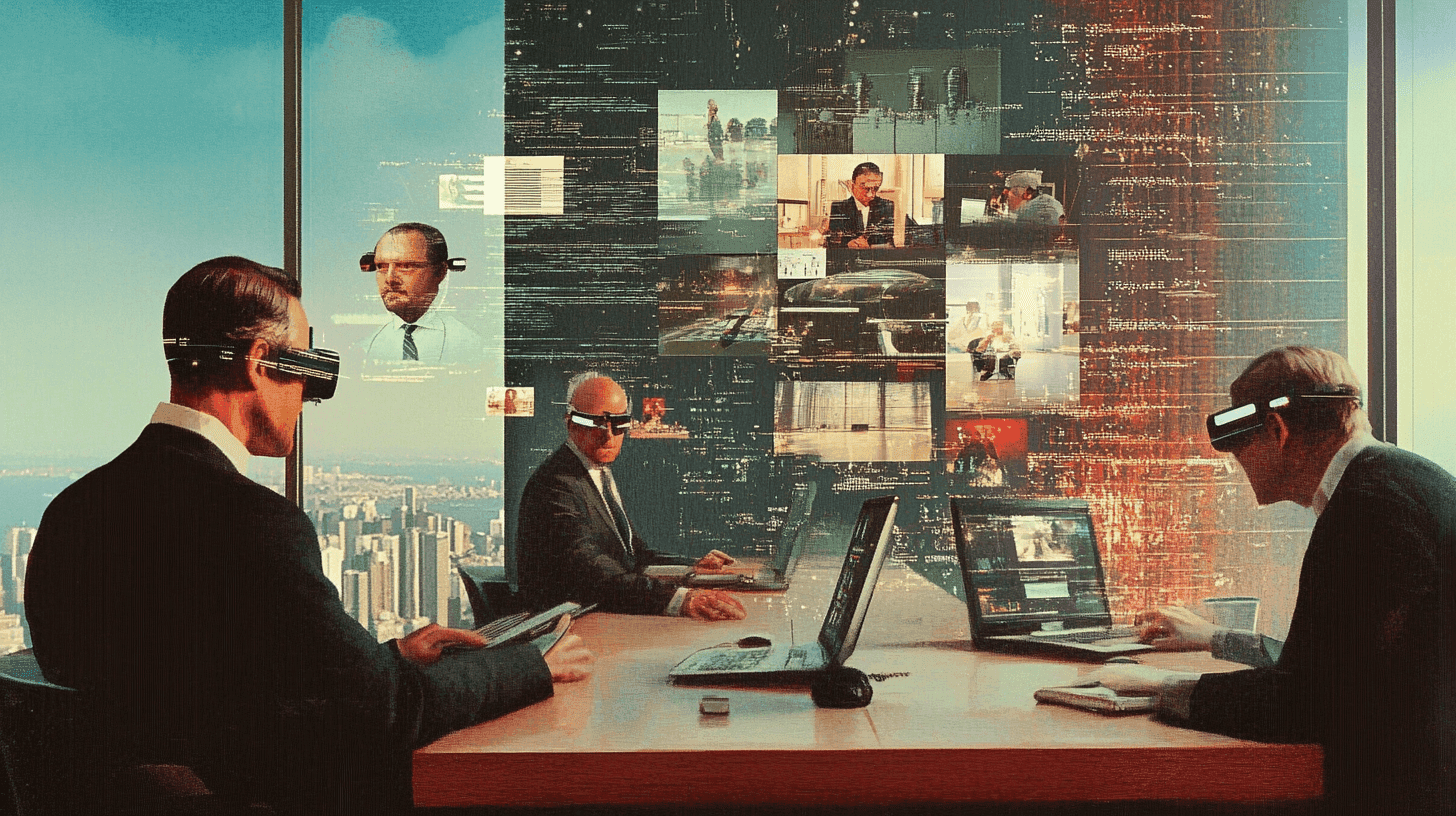
In the ever-evolving landscape of education technology, videos remain a cornerstone of effective online learning. This article explores various video formats used in e-learning and delves into the production process of Instructor-led Videos (ILVs), a popular and dynamic format in self-paced learning courses.
Popular Video Formats in Online Learning
1. Instructor-led Videos (ILVs)
ILVs are the most common training format in self-paced learning courses. They feature an instructor speaking directly to the camera, enhanced by audio and visual aids to create an optimal learning experience.
Key features of ILVs:
- Direct address to the online learner
- Use of audio and visual aids
- Balanced combination of human presence and technology
Variations of ILVs:
- Basic version: Instructor teaching without visual effects
- Star presenter format: Featuring famous actors or field experts
2. Animation-led Videos
These fully animated videos cover subjects through voiceover and animation, without an on-screen persona.
Key features:
- Imaginative animation sequences
- Engaging narration
- No on-screen presenter
3. Narrator-led Videos
These videos use live-action footage with narration, without an on-screen persona.
Key features:
- Live-action footage (stock or self-recorded)
- Complementary visuals to narration
- Contemplative instruction style
4. Detail-led Videos
These videos showcase close-up recordings of experts demonstrating processes or experiments.
Key features:
- Close-up recordings of experiments or processes
- Voice guidance
- Optional introductory or summary clips with the speaker's face
The Production Process of Instructor-led Videos (ILVs)
1. Pre-production Stage
This crucial stage involves creating a lesson plan and an ILV script.
Lesson Plan:
- Outlines the intended plan for a class or training session
- Helps determine time and scope of topic coverage
- Includes details on props, discussions, examples, and visual aids
ILV Script:
- Builds upon the lesson plan
- Contains speech and visual details
- Includes voice modulations, pitch variations, pauses, and highlighted words/phrases
- Outlines complementary visuals like graphics, animation, and on-screen text
2. Production Stage
This stage involves the actual audiovisual recording.
Recording options:
- Home setup with basic mic and camera
- Studio booking with professional production crew
3. Post-production Stage
This stage transforms raw footage into the final video product.
Key activities:
- Selecting and organizing video clips
- Adding sound effects and background music
- Incorporating visual effects, on-screen text, and motion graphics
By understanding these video formats and the ILV production process, educators can create engaging and effective online learning content.
Explore Our Services
Interested in what you just read? See how we can help your organization.
Related Articles
ILVs vs Traditional eLearning: A Data-Driven Comparison for Corporate Decision Makers
Analyze the effectiveness of Instructor-Led Videos (ILVs) versus traditional eLearning methods. This data-driven comparison offers valuable insights for corporate decision-makers seeking optimal training solutions.
Optimizing Instructor-Led Videos: From Signposting to SCORM
Enhance your Instructor-Led Videos (ILVs) with advanced optimization strategies. Master the art of signposting, learn effective voiceover techniques, and discover methods to measure ROI, creating more impactful corporate training experiences.