
Design Thinking Simulations: Transforming Problem-Solving in Corporate Environments
Discover how Design Thinking simulations are reshaping problem-solving in corporate environments. Learn to implement these powerful tools to foster innovation and enhance decision-making in your organization.
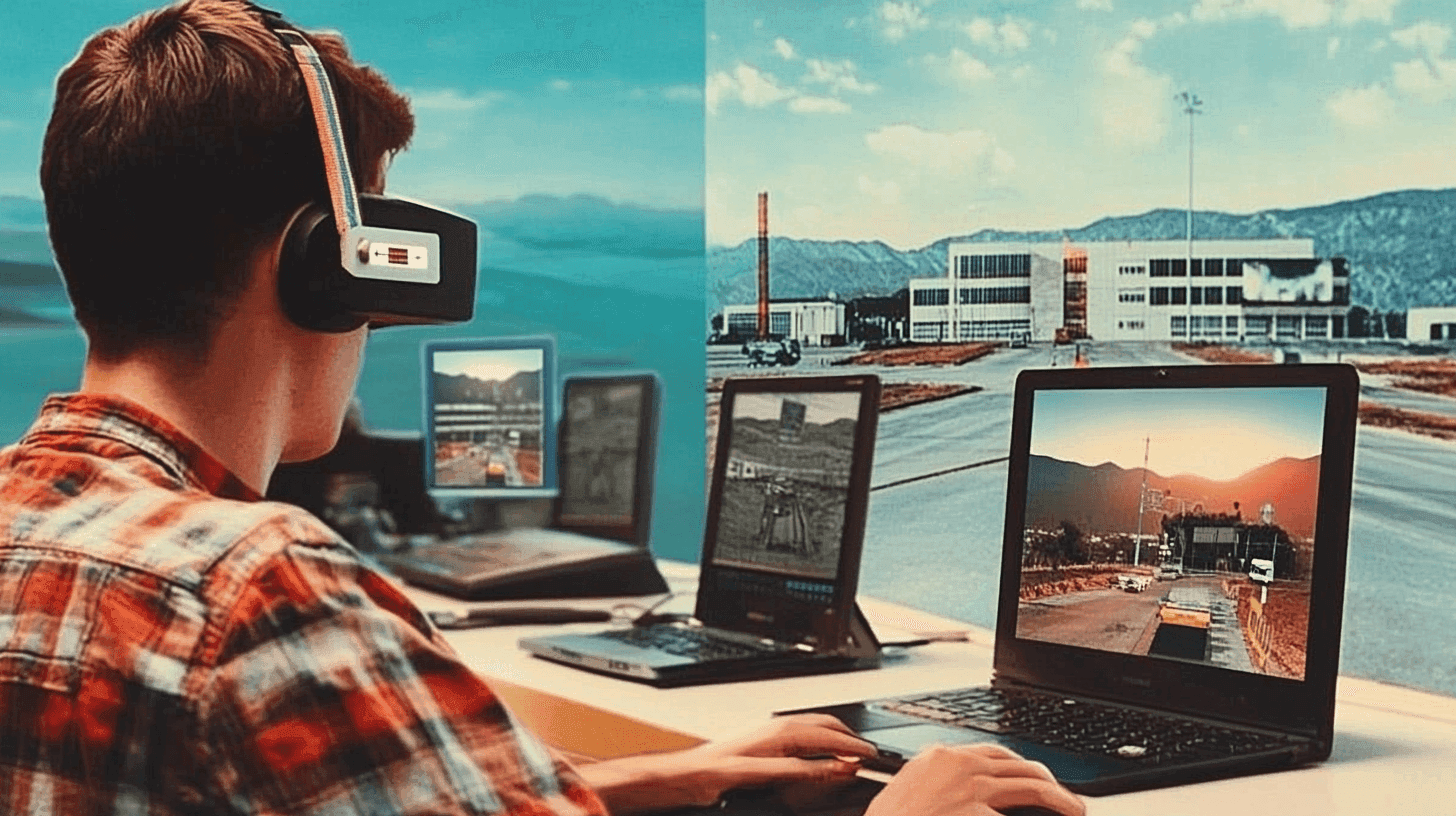
Design Thinking has emerged as one of the most powerful frameworks for innovation and problem-solving in the corporate world. When combined with simulation-based learning, it creates an incredibly effective training approach that can transform how employees tackle complex challenges. This article explores how Design Thinking simulations are reshaping problem-solving in corporate environments.
Understanding Design Thinking Simulations
Design Thinking simulations are interactive, scenario-based learning experiences that immerse participants in realistic business challenges. These simulations guide learners through the five stages of Design Thinking: Empathize, Define, Ideate, Prototype, and Test.
Key Components of Effective Design Thinking Simulations
1. Realistic Scenarios
Simulations present participants with complex, multi-faceted problems that mirror real-world business challenges. For example, a simulation might task learners with improving customer experience for a fictional company facing declining sales.
2. Role-Playing Elements
Participants often assume specific roles within the simulation, such as team leader or UX designer. This role-playing aspect enhances engagement and helps employees understand different perspectives within an organization.
3. Decision Points
Throughout the simulation, learners face critical decision points that influence the outcome. These choices help participants understand the impact of their decisions in a risk-free environment.
4. Feedback Mechanisms
Immediate feedback on decisions helps reinforce learning and allows participants to understand the consequences of their choices in real-time.
Benefits of Design Thinking Simulations in Corporate Settings
1. Developing Empathy — Simulations help employees develop a deeper understanding of user needs and perspectives, a crucial skill in today's customer-centric business environment.
2. Enhancing Problem-Framing Skills — Participants learn to reframe problems in human-centric terms, leading to more innovative and effective solutions.
3. Fostering Creativity and Innovation — By practicing ideation techniques in a low-stakes environment, employees become more comfortable generating and sharing creative ideas.
4. Improving Collaboration — Design Thinking simulations often involve team-based challenges, helping to break down silos and improve cross-functional collaboration.
5. Accelerating Learning — Compared to traditional training methods, simulations can compress months of learning into days or even hours.
Implementing Design Thinking Simulations in Your Organization
To successfully implement Design Thinking simulations:
1. Start with Clear Objectives — Define what you want participants to learn and how it aligns with organizational goals.
2. Choose the Right Format — Select from digital simulations, in-person workshops, or blended approaches based on your team's needs.
3. Customize for Your Context — Ensure scenarios and challenges are relevant to your industry and organizational culture.
4. Facilitate Reflection — Build in time for debriefing and reflection after each simulation round.
5. Measure Impact — Use surveys, assessments, and behavioral observations to measure the effectiveness of your simulation program.
Design Thinking simulations represent a powerful tool for developing innovation capabilities across your organization. By combining experiential learning with proven design methodology, you can create lasting behavioral change and build a more innovative corporate culture.
Explore Our Services
Interested in what you just read? See how we can help your organization.
Related Articles
Measuring Success: Analytics and KPIs for Corporate Simulation Training Programs
Discover how to effectively measure the success of your corporate simulation training programs using analytics and key performance indicators (KPIs). Learn to track, analyze, and optimize your simulation-based learning initiatives for maximum ROI.
Customizing Corporate Simulations: Tailoring Learning Experiences for Maximum Impact
Explore the process and benefits of customizing corporate simulations. Learn how tailored learning experiences can significantly enhance your organization's training effectiveness and business performance.