
The Future of Corporate Learning: AI-Powered Simulations and Adaptive Training Experiences
Explore the future of corporate learning with AI-powered simulations and adaptive training experiences. Discover how these technologies are revolutionizing employee development and preparing organizations for tomorrow's challenges.
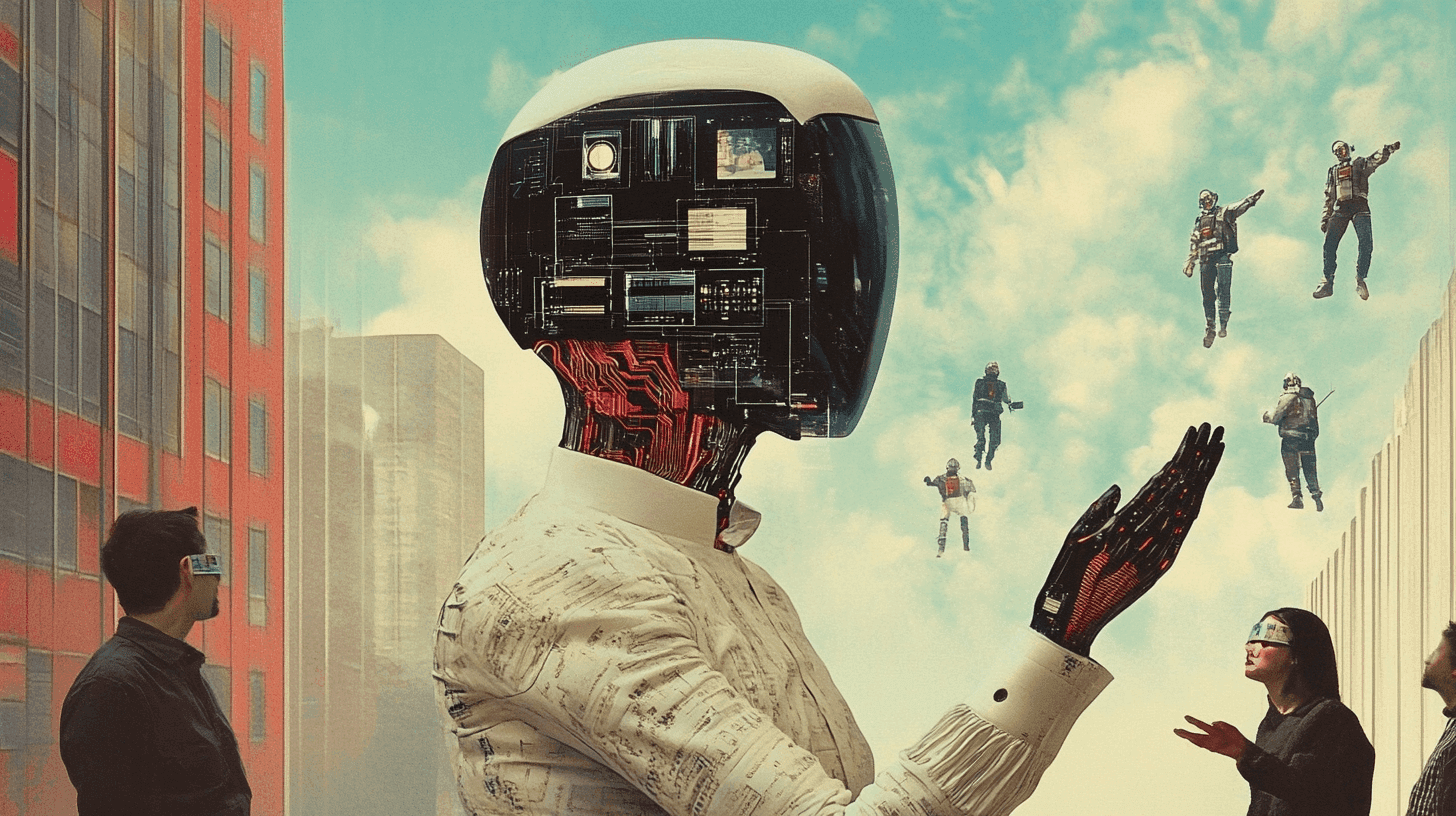
As we stand on the cusp of a new era in corporate learning, artificial intelligence (AI) and adaptive technologies are poised to revolutionize how organizations train and develop their workforce. This article explores the emerging trends of AI-powered simulations and adaptive training experiences, and how they're shaping the future of corporate learning.
The Evolution of Corporate Learning
To appreciate the transformative potential of AI and adaptive learning, it's important to understand how corporate training has evolved:
1. Traditional Classroom Training
2. E-learning and Online Courses
3. Blended Learning Approaches
4. Simulation-Based Training
5. AI-Powered Adaptive Learning (The Future)
Each stage has brought us closer to more personalized, efficient, and effective learning experiences. Now, AI and adaptive technologies are taking this evolution to new heights.
AI-Powered Simulations: The Next Frontier
AI-powered simulations represent a quantum leap in corporate training capabilities:
1. Real-Time Scenario Adaptation — AI can dynamically adjust simulation scenarios based on a learner's decisions and performance, creating truly personalized learning experiences.
2. Natural Language Processing (NLP) — Advanced NLP allows for more realistic interactions within simulations, enhancing immersion and applicability to real-world situations.
3. Predictive Analytics — AI can analyze learner behavior to predict future performance and proactively address potential skill gaps.
4. Emotional Intelligence Training — AI-powered simulations can now incorporate emotional intelligence elements, helping employees develop crucial soft skills.
5. Multi-Agent Simulations — AI can control multiple characters within a simulation, creating complex, realistic scenarios that better reflect real-world workplace dynamics.
Adaptive Training Experiences: Personalization at Scale
Adaptive learning technologies tailor the training experience to each individual's needs, preferences, and pace:
1. Dynamic Content Delivery — The system adjusts the difficulty and type of content based on the learner's performance and engagement levels.
2. Personalized Learning Paths — AI analyzes a learner's strengths, weaknesses, and career goals to create customized learning journeys.
3. Micro-Learning Integration — Adaptive systems can break down complex topics into bite-sized modules, delivering them at optimal times for maximum retention.
4. Continuous Assessment — Rather than relying on periodic tests, adaptive systems continuously evaluate learner progress, providing real-time feedback and adjustments.
5. Cross-Skill Recommendations — AI can identify complementary skills and recommend additional training to create well-rounded employees.
The Convergence of AI and Virtual Reality (VR)
The combination of AI and VR technologies is opening up new possibilities for immersive learning:
- Hyper-Realistic Environments — AI-generated VR environments can provide incredibly detailed and accurate simulations of workplace scenarios.
- Haptic Feedback Integration — AI can control haptic feedback systems, adding a physical dimension to virtual training experiences.
- Virtual Mentors and Coaches — AI-powered virtual characters can provide personalized guidance and feedback within VR environments.
- Social Learning in VR — AI can facilitate and moderate virtual group learning experiences, fostering collaboration and knowledge sharing.
Challenges and Considerations
While the future of AI-powered and adaptive learning is bright, there are challenges to consider:
- Data Privacy and Security — The extensive data collection required for these systems raises important privacy concerns.
- Ethical AI Development — Ensuring that AI systems are free from bias and make ethical decisions is crucial.
- Technology Integration — Implementing these advanced systems within existing corporate IT infrastructures can be complex.
- Human Element — Balancing AI-driven learning with human interaction and mentorship remains important.
Preparing for the Future
To leverage the benefits of AI-powered simulations and adaptive learning:
1. Invest in Data Infrastructure
2. Upskill L&D Teams
3. Foster a Culture of Continuous Learning
4. Start with Pilot Programs
5. Prioritize Ethical Considerations
The future of corporate learning is bright, with AI-powered simulations and adaptive training experiences promising to deliver unprecedented levels of personalization, efficiency, and effectiveness.
Explore Our Services
Interested in what you just read? See how we can help your organization.
Related Articles
Optimizing Instructor-Led Videos: From Signposting to SCORM
Enhance your Instructor-Led Videos (ILVs) with advanced optimization strategies. Master the art of signposting, learn effective voiceover techniques, and discover methods to measure ROI, creating more impactful corporate training experiences.
Advanced Production Techniques for High-Impact Instructor-Led Videos
Elevate your Instructor-Led Videos (ILVs) with expert guidance on post-production, visual design, instructor presentation, and synchronization techniques. Learn to create engaging corporate training videos that maximize learning impact.